Journal Homes
The Future Home May Not Be Built — It May Be Manufactured
Most things we use every day are manufactured.
Cars. Phones. Windows. Air-conditioners. Even a bookshelf arrives as a system of parts with instructions. Sometimes bad instructions, but still a system.
A house is different.
We still take hundreds of individual materials to a site, expose them to sun and rain, coordinate multiple trades, improvise around small errors and slowly turn the whole thing into a finished building.
It works. We have been doing it for a very long time.
But it is also strange when you think about it.
We still build every house like a prototype
A normal house has repeated components everywhere. Walls, slabs, doors, windows, toilets, electrical points, plumbing runs, cabinets.
Yet we often redraw, measure, cut and assemble them almost from scratch for every project.
The automobile industry stopped working this way a century ago. Electronics did too. Furniture did. Construction, somehow, has a higher tolerance for people standing around a drawing looking concerned.
That is beginning to change.
The pressure is coming from several directions
Labour is becoming more expensive in many places. Skilled trades are harder to find. Material waste is still high. Construction time is unpredictable. Quality changes from crew to crew.
At the same time, digital fabrication is improving.
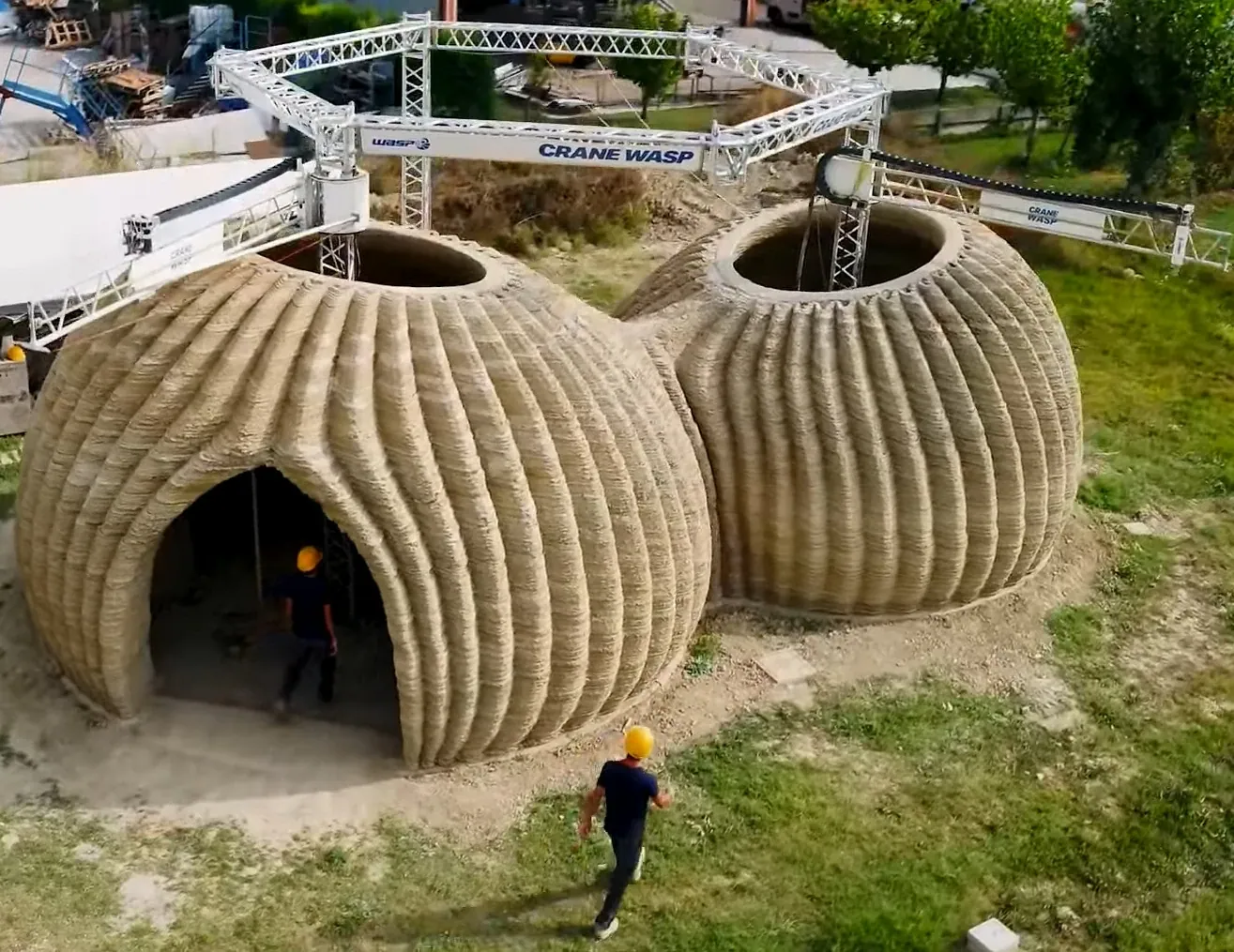
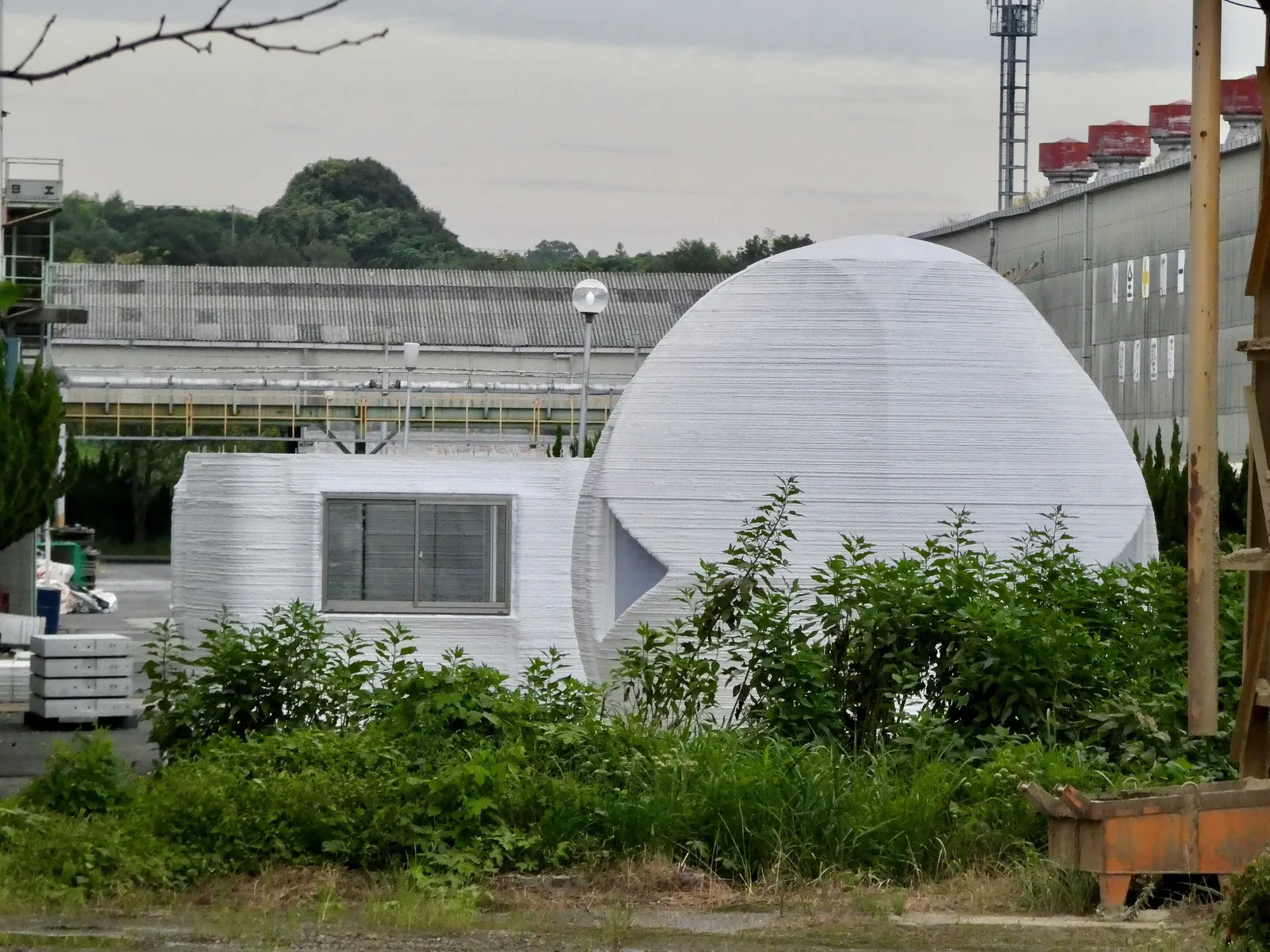
CNC machines can cut building components directly from a model. Robotic systems can place material with millimetre-level consistency. Entire bathroom pods can arrive finished. Wall panels can be produced indoors and installed in a day. Large-scale 3D printers can now produce structural wall systems at building scale.
None of this means that tomorrow a printer will arrive at a plot, press a button and produce a complete house before lunch.
The roof still has to work. Waterproofing still has to work. Windows, services, finishes and foundations still exist. Gravity has not received the software update.
But the direction is clear.
More of the building is moving away from the site.
The construction site may become an assembly site
That is the bigger change.
The future house may not be "3D printed" in the way headlines usually describe it. It may be a mixture.
Printed wall shells. Factory-made floor systems. Prefabricated bathrooms. Standard service cores. CNC-cut timber. Modular kitchens. Custom facade pieces. Local materials added where they make sense.
The site then becomes the place where these systems are assembled rather than where every component is created.
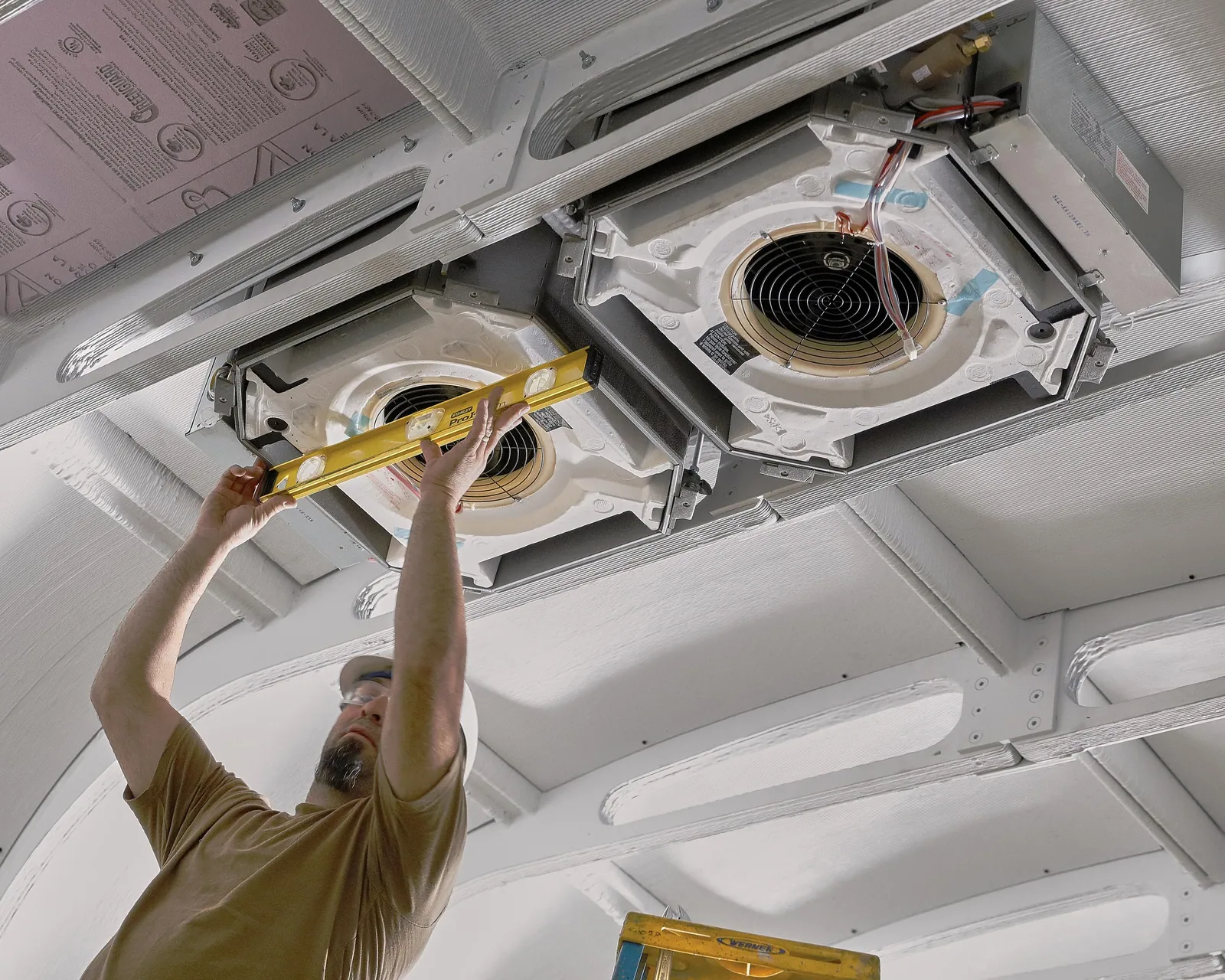
This is already how many complex products are made. Parts come from different manufacturing processes but are designed to fit together.
Housing could slowly move in the same direction.
And that matters because manufacturing is not only about speed.
It is also about repeatability.
A waterproofing detail that works can be repeated. A wall junction can be tested before it reaches hundreds of houses. Material use can be measured properly. Openings can arrive in the correct position instead of being corrected later with a grinder and optimism.
But a house is not a smartphone
This is where the comparison usually goes wrong.
A phone can be identical in Kochi, Copenhagen and Tokyo.
A house cannot.
Climate changes. Orientation changes. Ground conditions change. Families change. Culture changes. Privacy changes. The way people cook, sleep, gather and use outdoor space changes.
A manufactured house cannot simply become a sealed universal box dropped everywhere.
Especially in a tropical climate.
Shade still matters. Cross ventilation matters. Roof geometry matters. Rain matters. The relationship between inside and outside matters.
Manufacturing should standardise what benefits from precision, not erase what needs to respond to place.
That distinction is important.
The interesting future is mass customization
The phrase sounds contradictory, but it is probably where housing is heading.
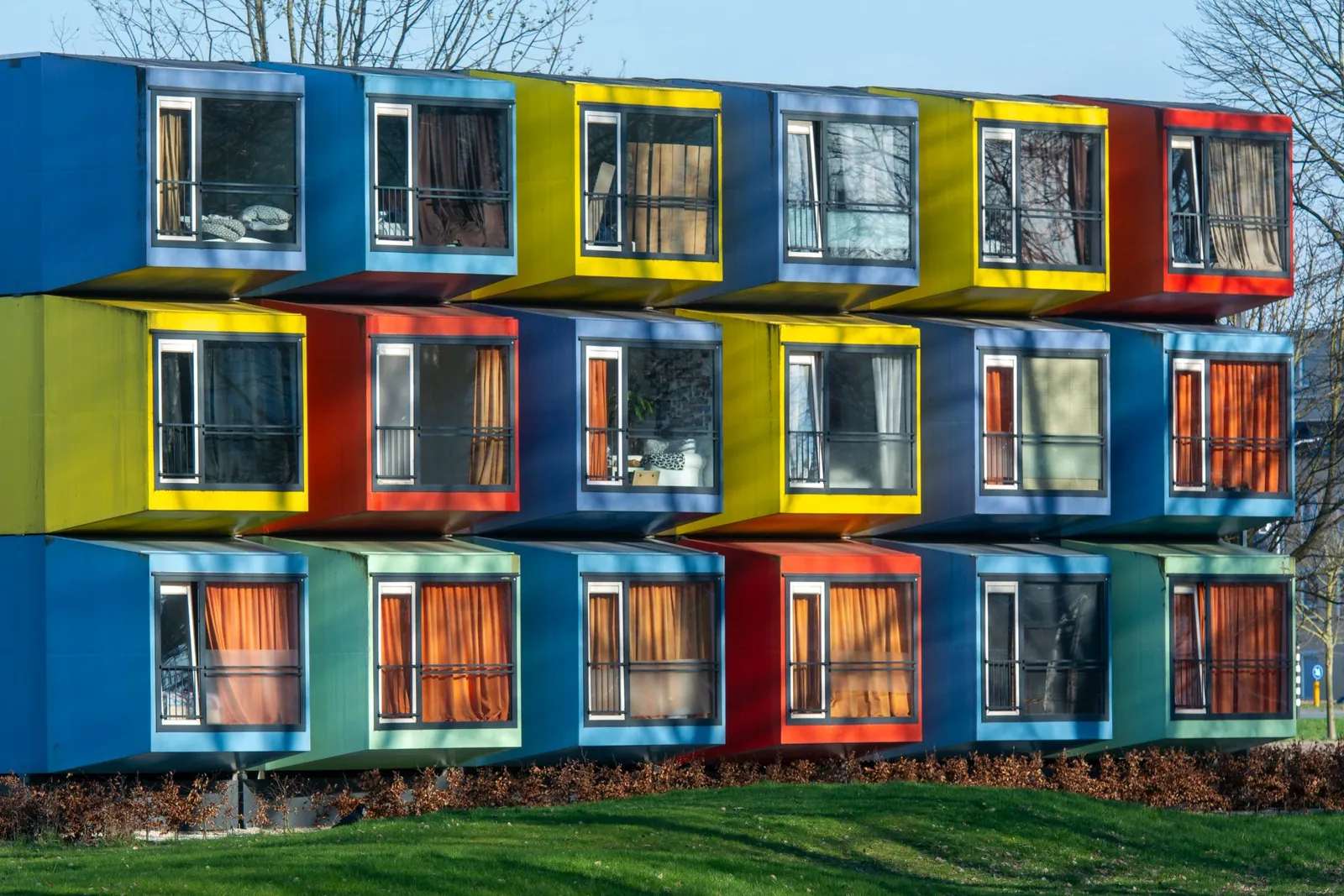
Instead of designing one identical house and repeating it endlessly, we can build a flexible kit of parts.
A wall system may stay the same while the openings change. A roof module may adapt to different spans. A service core may remain standard while the rooms around it change. Facades can respond to orientation. Shading can respond to climate.
The manufacturing system repeats.
The architecture does not have to.
This is where digital design becomes useful beyond making nicer renders.
A parametric model can produce variations from the same construction logic. A factory can manufacture those variations without treating every house as an entirely new experiment.
That is a much more interesting possibility than rows of identical prefab boxes.
The architect may design systems, not only buildings
This will change our job too.
Architects traditionally deliver drawings describing one building.
In a more manufactured construction process, the architect may also design rules.
How components connect. What can vary. What cannot. How a system adapts to different sites. How services pass through it. How openings change without breaking structure or waterproofing.
The drawing set starts becoming closer to a product system.
That does not make architecture less important.
Probably the opposite.
When the same construction logic can be repeated hundreds or thousands of times, a bad decision also gets repeated hundreds or thousands of times.
Efficiency can multiply good architecture.
It can multiply terrible architecture just as efficiently.
We should not romanticise the old process either
There is a tendency in architecture to treat hand-built construction as somehow more authentic.
Sometimes it is.
Craft can create things that machines cannot. Local knowledge matters. Materials behave differently in different places. Many traditional building systems are already extremely intelligent responses to climate and resources.
But poor construction is not craft.
A badly mixed concrete batch is not cultural heritage. A leaking toilet is not vernacular wisdom.
There are parts of building that deserve precision.
There are other parts that deserve human judgement.
The future will probably be strongest where we stop pretending those two things are enemies.
So will houses be manufactured?
Increasingly, yes.
But probably not as one giant finished product coming out of one factory.
The more realistic future is a building made from several manufactured systems, assembled quickly on site and adapted through digital design.
Some parts printed. Some panels cut. Some components made by robots. Some work still done by skilled hands.
The real shift is not from "handmade" to "machine-made."
It is from improvising almost everything on site to designing construction as a repeatable system.
That could reduce waste. Improve consistency. Shorten construction time. And perhaps make good design accessible to more people.
The danger is obvious too.
If manufacturing becomes only a way to produce the cheapest possible box faster, we will simply industrialise bad housing.
The opportunity is much better.
Use the precision of manufacturing without losing climate, culture, landscape and individuality.
Mass production gave us identical products.
Mass customization could give us something more useful: houses that are different where they need to be different, and intelligently repetitive where they do not.
The future home may well be manufactured.
The job of architecture is to make sure we do not accidentally make millions of homes that feel manufactured.