Journal Tropical
How to Keep Your Home Cool During an El Niño Summer in India
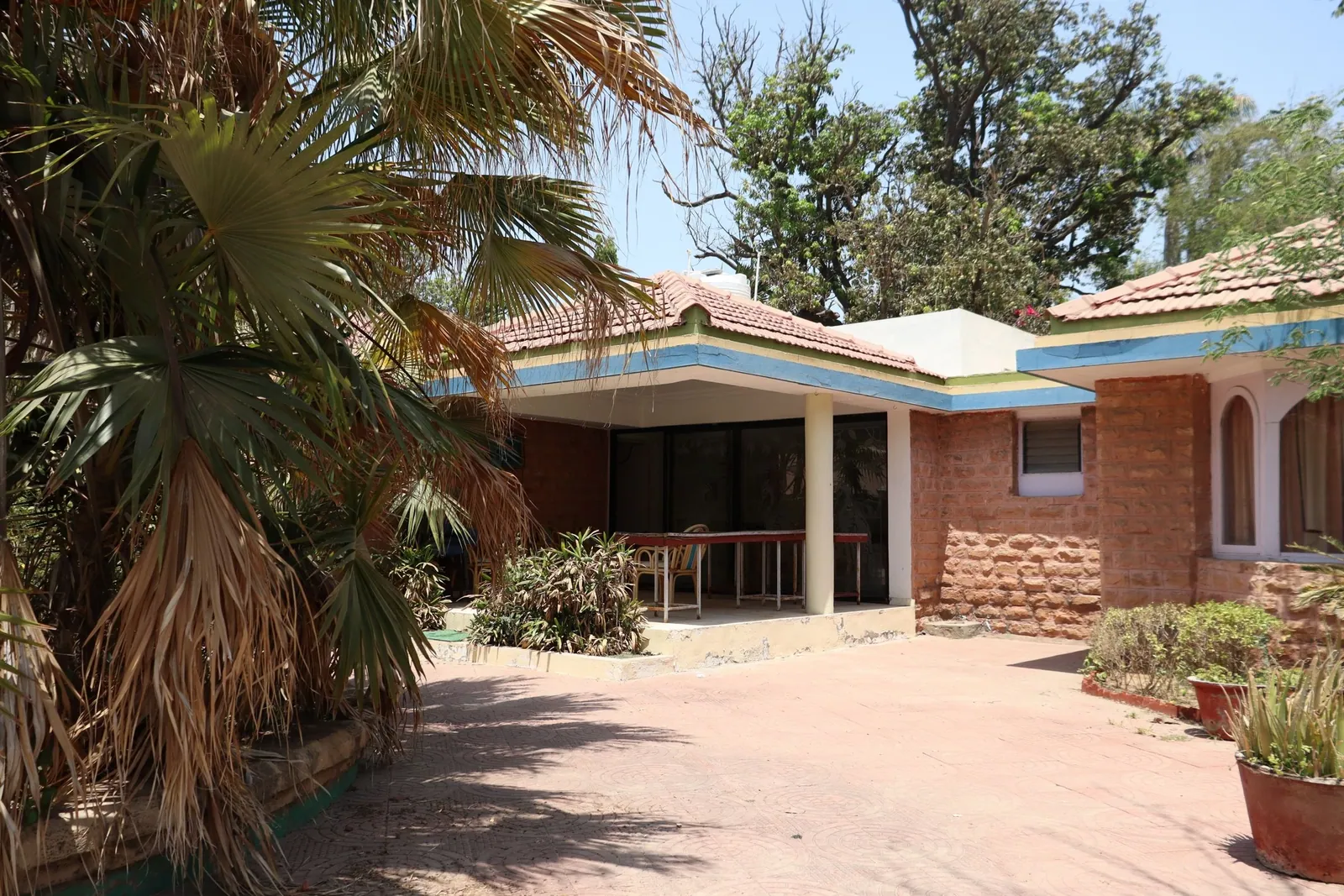
When the summer gets unusually hot, most of us first think about AC.
But ideally the house itself should be doing a good part of the cooling before the AC even comes on.
That becomes more important during an El Niño year. El Niño does not mean every place in India will automatically become hotter, but it can increase the chances of stronger heat in some parts of the country. The actual weather still depends on region, humidity, wind, cloud cover and many other factors.
So rather than trying to predict exactly how hot the summer will be, it makes more sense to look at what we can control in the house.
Start with the roof
For most low-rise houses in India, the roof takes the biggest hit from the sun.
A bare RCC slab gets heated through the day and then keeps releasing that heat into the rooms below, sometimes even after sunset.
This is why top-floor rooms often feel much hotter than the rooms below.
If possible, the slab itself should be protected from direct heat.

Things that help are:
- a ventilated roof above the slab
- proper roof insulation
- a shaded terrace
- reflective roof finishes where suitable
- ventilated attic space below a sloping roof
A lot of people try to solve this later by installing a bigger AC. But once the slab itself is hot, the AC is basically fighting the building.
West-facing glass can be a problem
Large glass looks great in renders and photos.
But if it is badly placed, especially on the west, it can make the inside very uncomfortable.
The afternoon sun is low and harsh. A small overhang may not do much.
Curtains inside help with glare, but the heat has already entered by then.
External shading works much better.
It can be something simple like a deep overhang, vertical fins, shutters, a screen, a verandah or even a properly placed tree.
This is something older Indian houses usually handled much better. There was often some shaded space between the outside and the actual room.
More windows does not always mean better ventilation
This is something we see quite often.
A room may have a big window and still feel completely stagnant.
For ventilation to work, air needs to enter from somewhere and leave from somewhere else.
So the placement of openings is more important than just the total window area.
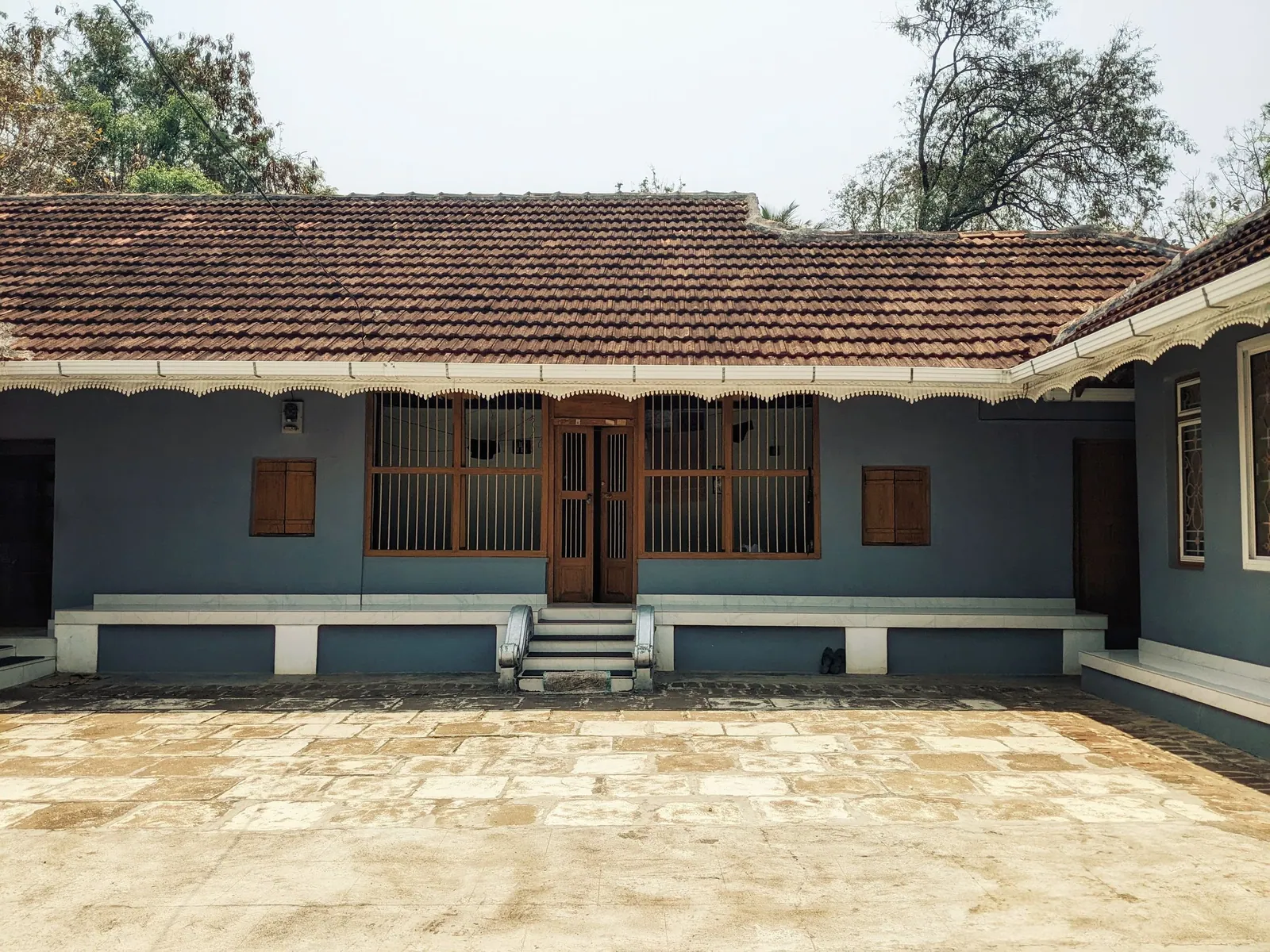
Doors, corridors, staircases, courtyards and high-level vents can all help move air through a house.
In Kerala and other humid regions this matters a lot because moving air makes a big difference to comfort, even when the actual temperature does not change much.
Use fans properly
Ceiling fans are still one of the most effective and simple cooling tools we have.
They do not reduce the room temperature, but they can make the same room feel much more comfortable.
Even when AC is needed, using a fan along with it can help keep the thermostat a little higher instead of trying to cool the whole room aggressively.
Of course during extreme heat, or for elderly people, children or anyone with health issues, AC may still be necessary.
The idea is not to avoid AC completely.
The idea is to make the house need less of it.
Shade the walls too
People usually think only about shading windows.
But walls also absorb heat.
A west-facing bedroom wall can get very hot in the evening because it has been taking direct sun for hours.
Verandahs, balconies, screens, trees and even climbing plants on a separate trellis can help.
But the shading has to be real.
A decorative screen that still allows direct sun to hit the wall is not doing much thermally.
Landscape helps, but don't overdo it
A fully paved compound gets hot.
A shaded compound with trees and planting usually feels completely different.

But this does not mean planting every inch around the house.
In humid areas, very dense planting right next to openings can reduce airflow and keep moisture trapped.
The better approach is to shade the harsh sides of the building while keeping useful wind paths open.
Landscape should work with the building, not just sit around it.
Let the heat escape when conditions are better
If evenings or nights are cooler outside than inside, opening the house can help release some of the heat stored during the day.
But this depends on the climate.
In very humid places, some nights are still hot and sticky, so opening everything may not improve comfort much.
Again, there is no single rule for all of India.
The house should simply have the option to open up when conditions are good.
Reduce heat produced inside
Some heat comes from inside the house itself.
Cooking, lights, computers, TVs and appliances all add heat.
Kitchens especially can make a big difference.
Good exhaust, better ventilation and keeping heat-producing spaces away from bedrooms where possible can help more than people expect.
Even changing inefficient lights to LEDs reduces unnecessary heat.
If the house is already built, start with the obvious things
You do not need to rebuild the house.
I would normally look at it in this order:
- Shade the most exposed windows, especially west-facing ones.
- Deal with the roof heat.
- Improve fan placement and airflow.
- Add shade through landscape where useful.
- Then improve the AC system if required.
This usually makes more sense than starting by buying a larger AC.
Kerala is a good example
Traditional Kerala houses were not cool because they had some magic material.
They were cool because many small decisions worked together.
Deep roofs, shaded verandahs, courtyards, sloped roofs, shaded walls and air movement all played a role.
That does not mean a modern house should look traditional.
It just means the same climate logic still applies.
The exact solution will be different in Delhi, Rajasthan, Chennai, Bengaluru or Kerala. India has too many climates for one single cooling formula.
But one principle is common almost everywhere.
Do not allow unnecessary heat into the house and then spend electricity trying to remove it.
A good house should make the AC work less.
That is probably the simplest way to think about it.
Further reading