Journal Homes
Why Your Apartment Stays Hot After Sunset
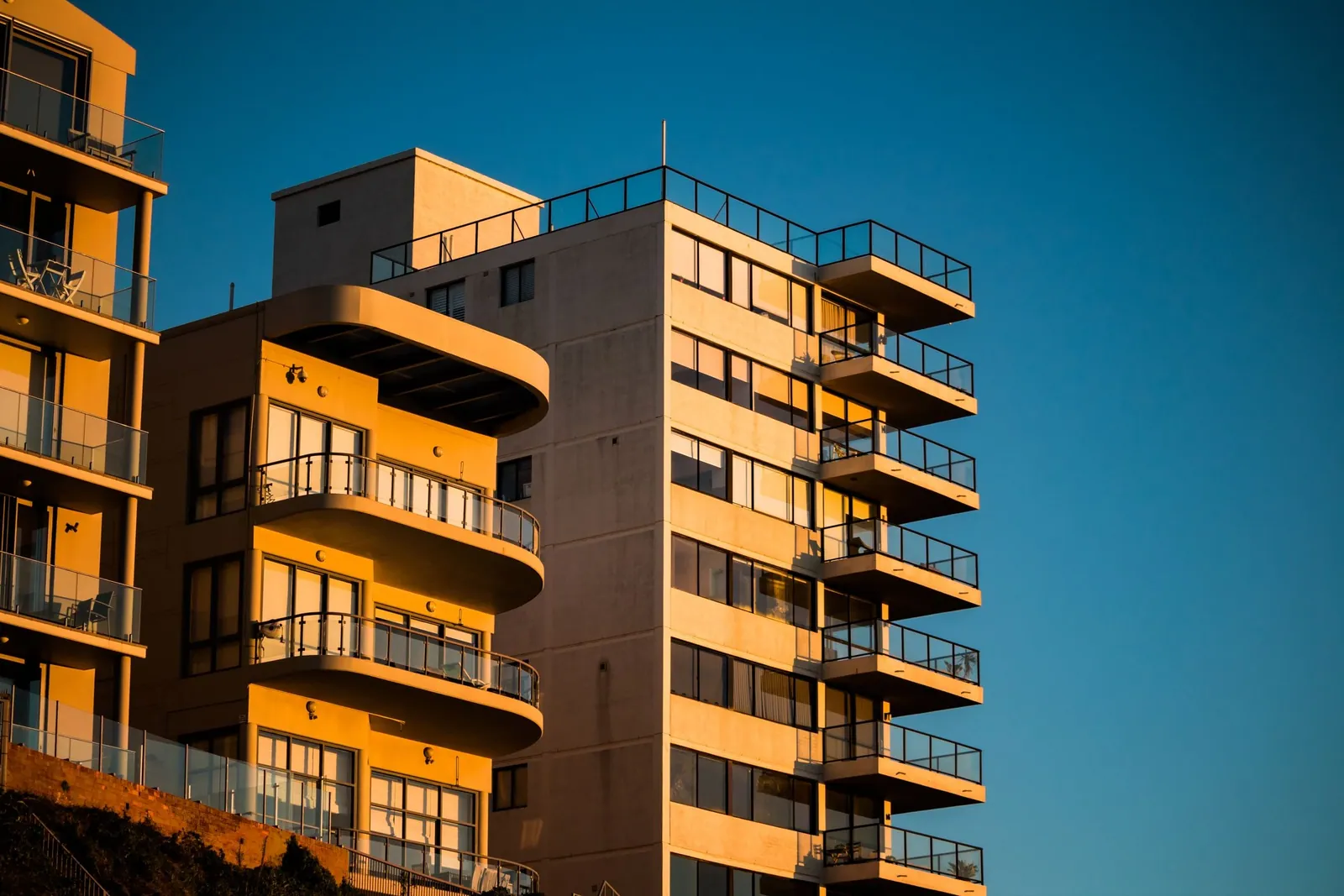
The sun has disappeared. The bedroom window is open. The fan is running. Yet the room still feels as though the afternoon never ended.
Opening another window seems like the obvious response. Sometimes it helps. Sometimes the air moves while the heat remains.
An apartment’s temperature depends on more than the weather outside at that moment. Its walls, floors and ceiling have been absorbing and exchanging heat throughout the day. By bedtime, some of that energy may still be working its way into the room.
For residents, the useful question is where that heat is coming from—and whether the evening offers somewhere for it to go.
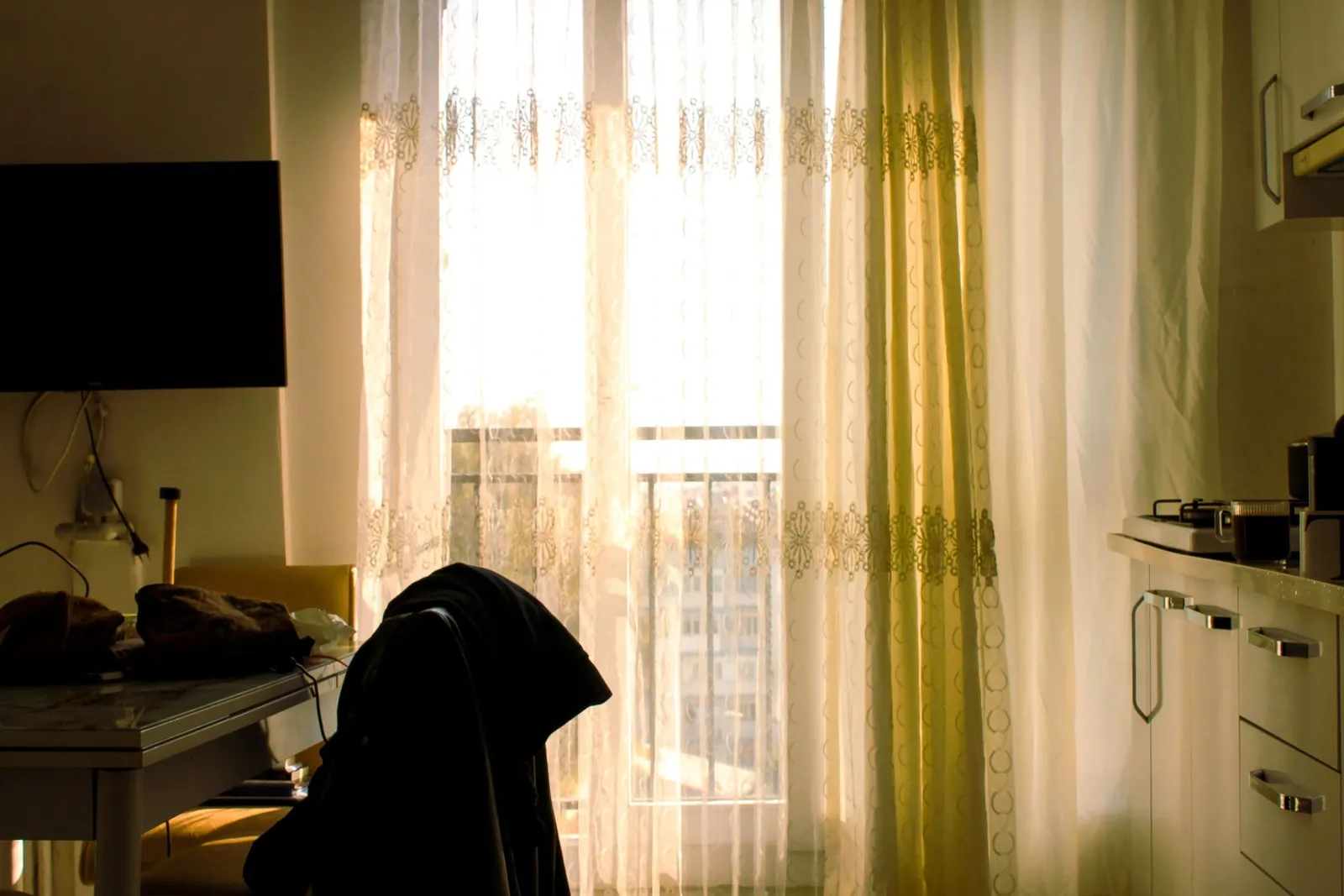
1. Your apartment can carry the afternoon into the night
Concrete and masonry can store substantial amounts of heat. When these materials warm up, they take time to cool down. A sun-exposed wall or roof can continue releasing heat after the sunlight has gone.
This ability to store heat is called thermal mass. It differs from insulation, which slows heat transfer. A thick concrete wall can store heat without providing much insulation.
Thermal mass can be useful when it is protected from unwanted sun and cooled by sufficiently cool night air. Without that cooling opportunity, it can prolong discomfort. Warm surrounding surfaces can also make you feel hot even as the room’s air begins to cool.
The neighbourhood may be holding heat too. Roads, roofs and surrounding buildings absorb solar energy and release it later. Dense urban development can restrict wind, further limiting nighttime cooling.
Before buying another appliance, observe the pattern. Does one bedroom stay warmer than the others? Does the discomfort follow afternoon sunlight? Are neighbours directly beneath the roof experiencing the same problem?
These observations are clues. They give you something more useful to investigate than “the whole apartment is hot.”
2. Begin cooling the bedroom before sunset
If afternoon sunlight reaches your bedroom, the most effective time to intervene is before it warms the room’s surfaces.
Close the relevant blinds or curtains before direct sun arrives. You do not need to darken the entire apartment all day. Follow the sun: protect the windows receiving unwanted sunlight while keeping useful daylight elsewhere.
Internal coverings can help, but external shading intercepts sunlight before it reaches the glass. Where permitted, an external blind, shutter or properly designed balcony screen can address the source more directly.
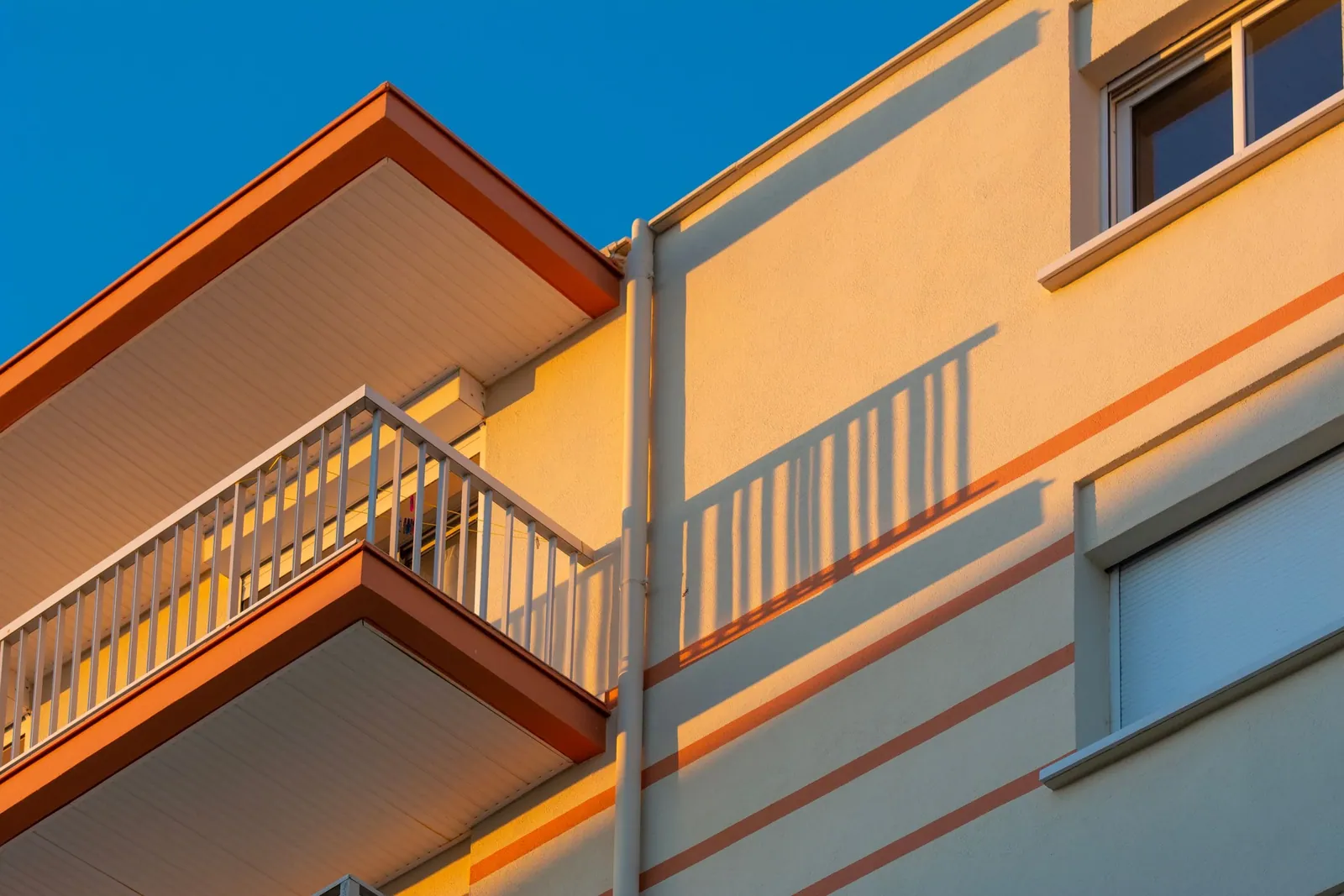
Look closely at what your balcony actually shades. An overhead slab may block high sun while allowing low afternoon sunlight underneath. East- and west-facing openings often need shading that addresses those lower angles, such as adjustable external screens.
For a renter, operating existing curtains earlier is a practical first step. For an owner, recurring afternoon heat may justify discussing external shading with the building management.
Treat that discussion as a building detail. Ask how the shade will be secured, whether it restricts ventilation, and whether it can withstand the conditions at your floor. A loose sheet tied across a high balcony is a poor substitute for a suitable installation.
3. Open windows when the incoming air can help
Sunset is a change in light. It does not guarantee cooler air.
Night ventilation works by replacing warmer indoor air with cooler outdoor air. Given enough airflow and time, it can also help remove heat stored in the building’s surfaces. If outside remains nearly as warm as inside, its ability to cool the apartment is limited.
I would begin with a simple comparison: measure the bedroom and the air outside its window at different times through the evening.
Keep the outdoor sensor shaded, away from hot surfaces and air-conditioning exhaust. Keep the indoor sensor away from direct sunlight and the immediate airflow of a cooling appliance. The aim is to identify a pattern, rather than chase an exact number.
When outside becomes cooler, create a route through the apartment where the layout allows it. Open suitable windows on different sides and the internal doors between them. An open window behind a closed bedroom door may offer much less through-flow than you expect.
Outdoor humidity matters too. Cooler air can still be very humid, and air movement and air-conditioning affect comfort differently. In hot, humid conditions, ventilation may provide a breeze while offering little effective cooling.
Use the conditions at your window as your guide. Noise, smoke, rain and security may limit when it can remain open. Keep the entrance and any fire doors operating as intended; they should not become improvised ventilation openings.
Closing windows to limit hot air also does not remove the need for fresh air. Maintain the apartment’s intended ventilation provision.
4. Give the fan a clear job
A ceiling or pedestal fan generally improves comfort by moving air over your body. It does not lower the room’s air temperature or remove humidity.
Position it so the airflow reaches the place you actually occupy: the bed, desk or sofa. A fan moving air above an empty part of the room contributes little to your comfort.
For ceiling fans with reversible settings, use the summer setting that directs air downward. A modest, well-directed breeze may be more useful at bedtime than maximum speed across the whole room. Fans can also work alongside air-conditioning, allowing some residents to remain comfortable at a warmer thermostat setting.
A fan used to ventilate through a window has a different job. It needs a suitable incoming-air opening and an airflow route. Otherwise, it may mainly recirculate warm indoor air. Its ability to remove heat still depends on the temperature of the replacement air.
Where warm, humid nights defeat these measures, air-conditioning may be necessary. It can remove both heat and moisture. Cooling the bedroom as a defined space may be more practical than trying to cool the whole apartment.
During extreme heat, prioritise access to effective cooling. An open window and a running fan do not, by themselves, prove that a room is adequately cooled.
5. Avoid adding heat just before bed
The building may already be releasing stored heat when evening activities add another load.
Oven cooking, lighting and running appliances contribute heat indoors. Where practical, use a smaller cooking appliance instead of heating a full-sized oven, and switch off equipment you are not using. These changes reduce the heat that cooling systems must remove.
Consider the room’s actual use. Is a computer running beside the bed all evening? Does cooking heat spread into the sleeping area? Is the air-conditioner’s filter overdue for cleaning?
Routine maintenance matters: clogged filters can reduce an air-conditioner’s performance. Follow the manufacturer’s cleaning instructions and arrange servicing when required.
Keep expectations proportional. Switching off a lamp will not solve heat entering through an exposed roof. But reducing avoidable indoor heat is worthwhile, particularly in a small bedroom.
Change one habit at a time and observe the result. Otherwise, it is difficult to tell which measure helped.
6. Recognise when the problem belongs to the building
Residents can operate curtains, time ventilation and improve airflow. They usually cannot independently alter a shared roof or façade.
If the apartment remains hot despite these measures, the next step is a more specific request to the owner or building management.
For a top-floor apartment, ask whether the roof’s insulation and solar exposure have been assessed. For a bedroom receiving strong afternoon sun, ask about external shading and the window’s performance. The roof, walls and glazing all form part of the apartment’s heat balance.
Bring a short record: which rooms overheat, when direct sunlight reaches them, evening indoor and outdoor readings, and what you have already tried. Invite neighbours with similar exposure to compare their observations.
That record can help frame a professional assessment. It also helps prevent spending money on a measure aimed at the wrong source.
For tonight, compare outside and inside before opening every window. Direct the fan toward the bed. Reduce avoidable heat from evening activities.
For tomorrow, shade the bedroom before the afternoon sun reaches it.
And if the room repeatedly stays hot long after sunset, ask the building owner a precise question: what is preventing this apartment from losing the heat it gains during the day?